As our urban centers grow brighter and more connected, a new and profound form of luxury has emerged: the luxury of total darkness. In 2026, “Astrotourism” has transitioned from a niche hobby into a defining pillar of high-end travel. Discerning explorers are no longer just looking at the horizon; they are looking above it, seeking out “Dark Sky Sanctuaries” where light pollution is non-existent and the universe is visible in its raw, unfiltered glory.
The Architecture of the Night Sky
The appeal of a Dark Sky Sanctuary lies in its scarcity. It is estimated that a significant majority of the global population can no longer see the Milky Way from their homes. For the luxury traveler, the ability to stand in a place of complete celestial clarity is a transformative experience. It offers a sense of perspective and “celestial solitude” that even the most opulent city penthouse cannot replicate.
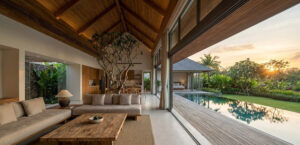
High-end retreats in these regions are adapting their architecture to meet this demand. We are seeing the rise of “Starlight Suites”—villas equipped with retractable roofs, advanced telescopes, and outdoor “star-beds” designed for overnight immersion. These properties prioritize low-impact, red-spectrum lighting to ensure that the guest’s eyes remain adjusted to the darkness, allowing the constellations to take center stage.
Global Destinations for Stargazing Excellence
While many regions claim to have clear skies, only a few hold the prestigious International Dark Sky Association (IDSA) certification. The Namib Desert in Namibia remains a gold standard, offering some of the darkest skies on the planet alongside ultra-luxury desert lodges. Similarly, the remote stretches of the Australian Outback and the high-altitude plateaus of the Chilean Andes offer conditions that are prized by both scientists and luxury seekers alike.
The Ritual of the Star-Safari
To elevate the experience, many sanctuaries now offer “Star-Safaris.” Led by resident astronomers, these private excursions combine the thrill of a traditional wildlife safari with deep-space observation. Guests can spend their evenings tracking the movement of planets and nebulae while enjoying curated, locally-sourced degustation menus in the heart of the wilderness. It is a perfect blend of intellectual enrichment and sensory indulgence.
Wellness and the Cosmic Connection
Beyond the visual spectacle, there is a significant wellness component to Astrotourism. Scientists have long noted the benefits of “Hushpitality”—the luxury of silence and natural light cycles—on the human nervous system. Synchronizing one’s internal clock with the true movement of the stars helps to reset the circadian rhythm, leading to deeper sleep and enhanced mental clarity. In a world that is “always on,” the intentional darkness of a sanctuary is the ultimate reset button.
Whether you are reclining on a deck in the South Island of New Zealand or tucked into a luxury camp in the canyons of Utah, the message is the same: the most expansive view in the world is the one we often forget to look at. By choosing destinations that protect the night, we are not just seeing the stars—we are preserving our connection to the infinite.
Ready to discover your next great escape? Browse our latest curated guides in the Global Edit section.