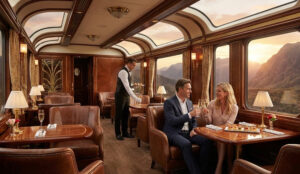
The modern luxury traveler is no longer just seeking a change of scenery; they are seeking a change of state. This shift has given rise to “Wellness Architecture”—a design discipline that moves beyond aesthetics to prioritize the physiological and psychological health of the inhabitants. In the world of elite retreats and private sanctuaries, the structure itself is now being utilized as a tool for recovery and mental clarity.
The Biophilic Connection
At the core of wellness architecture is biophilic design—the practice of connecting people with nature through the built environment. This is more than just placing a few plants in a room. It involves the strategic use of natural light patterns, the integration of water sounds to mask ambient noise, and the use of organic materials that mimic the textures found in the wild. Research into environmental psychology suggests that these elements can significantly lower cortisol levels and improve sleep quality within hours of arrival.
In high-end villa design, this often manifests as “living walls” or bathrooms that open directly into private tropical gardens. By removing the hard barriers between the interior and the exterior, the architecture allows the guest to synchronize their circadian rhythms with the natural movement of the sun, a vital component of overcoming travel-induced fatigue.
Sensing the Space: Air and Acoustic Quality
While visual design usually takes center stage, wellness architecture pays equal attention to what cannot be seen. High-grade air filtration systems and the use of non-toxic, low-VOC (Volatile Organic Compound) materials ensure that the internal environment is as pristine as the landscape outside. In a world where urban pollution is a constant, the ability to breathe truly clean air is becoming one of the ultimate luxuries.
Acoustic Sanctuaries
Acoustics also play a critical role in the sanctuary experience. Modern retreats are increasingly utilizing specialized insulation and soft architectural curves to manage sound flow. The goal is to create “quiet zones” where the hum of the modern world is completely absent, allowing the brain to enter a state of deep rest. Whether it is the dampened sound of a rainfall shower or the strategic placement of a meditation deck away from the social hubs of the house, every decibel is considered.
The Future of Restorative Travel
As we move forward, wellness architecture will likely become the standard rather than the exception in the luxury sector. The integration of infrared saunas, cold plunge pools, and dedicated “tech-free” zones within the home’s layout shows a commitment to the guest’s long-term well-being. It is a recognition that the most valuable thing a destination can provide is not just a place to stay, but a space to heal.
Ultimately, a true sanctuary is defined by how you feel when you leave it. By utilizing the principles of wellness architecture, designers are ensuring that the physical environment does the heavy lifting, leaving the traveler free to focus on the only thing that matters: their own restoration.
Interested in the intersection of design and travel? Check out our Sanctuary Spotlights for a look at the world’s most thoughtfully designed retreats.