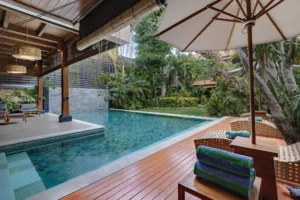
As we move through 2026, the luxury travel landscape is undergoing a significant “re-mapping.” The era of chasing viral photo opportunities in over-saturated hubs is being replaced by a more considered approach: the “Travel Twin” movement. This trend focuses on identifying lesser-known destinations that mirror the geography, climate, and luxury infrastructure of famous hotspots, but without the logistical friction of mass tourism.
Beyond the Postcard: The Appeal of the Unfiltered
The primary driver behind the Travel Twin trend is the pursuit of serenity. In many of the world’s most recognizable destinations, the sheer volume of visitors has begun to erode the very sense of “escape” that luxury travelers seek. A Travel Twin offers an antidote—a chance to experience world-class architecture, pristine coastlines, and authentic culture in a setting where you are a guest, not just another number in a queue.
For instance, those who love the dramatic volcanic cliffs and white-washed aesthetics of the Cyclades are increasingly looking toward islands like Milos or Folegandros. These locations provide the same “Private Sanctuary” feel and Aegean light but maintain a pace of life that feels significantly more aligned with the origins of Mediterranean hospitality.
Identifying a Global Twin
Finding a successful Travel Twin requires looking beyond surface-level similarities. It’s about the quality of the “invisible service” and the integrity of the local environment. In Southeast Asia, travelers who once flocked exclusively to the southern tip of Bali are now exploring the rugged, untouched luxury of Sumba or the quiet, emerald bays of the Mergui Archipelago. These areas have seen a surge in ultra-low-density villa developments that prioritize land preservation as much as guest comfort.
The Benefits of Secondary Locations
Choosing a “twin” destination often leads to a more personalized experience. Because these locations are not yet operating at peak capacity, the level of attention from local staff and artisans is markedly higher. Whether it is a private chef in a remote Mexican hacienda or a guide in an under-the-radar Japanese prefecture like Kyushu, the interaction feels less transactional and more like a genuine cultural exchange.
The Sustainable Edge
Perhaps most importantly, the move toward Travel Twins is a move toward more sustainable tourism. By distributing travel spending across a wider geographic area, we help mitigate the environmental and social strain on “primary” cities and islands. This “crowd control” by choice is the ultimate 2026 status symbol—having the luxury of space, the privilege of quiet, and the knowledge that your presence is contributing to the growth of a rising destination rather than the exhaustion of a famous one.
In the end, the world is much larger than the top ten lists suggest. By embracing the Travel Twin philosophy, you aren’t just finding a quieter beach or a more exclusive villa; you are rediscovering the thrill of genuine discovery.
Looking to explore the world’s rising stars? Visit our Global Edit for more insights on the destinations defining the next decade of travel.